
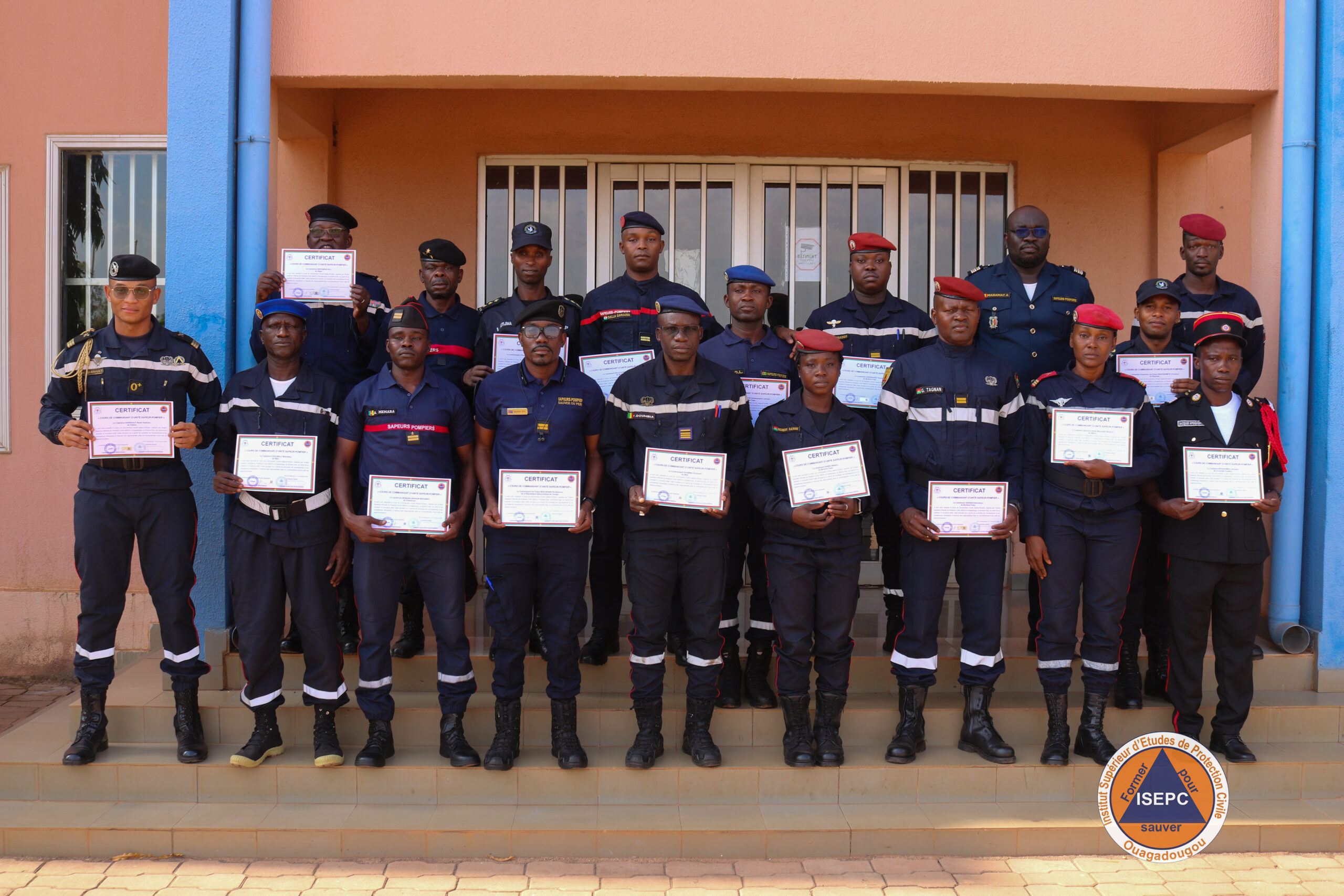
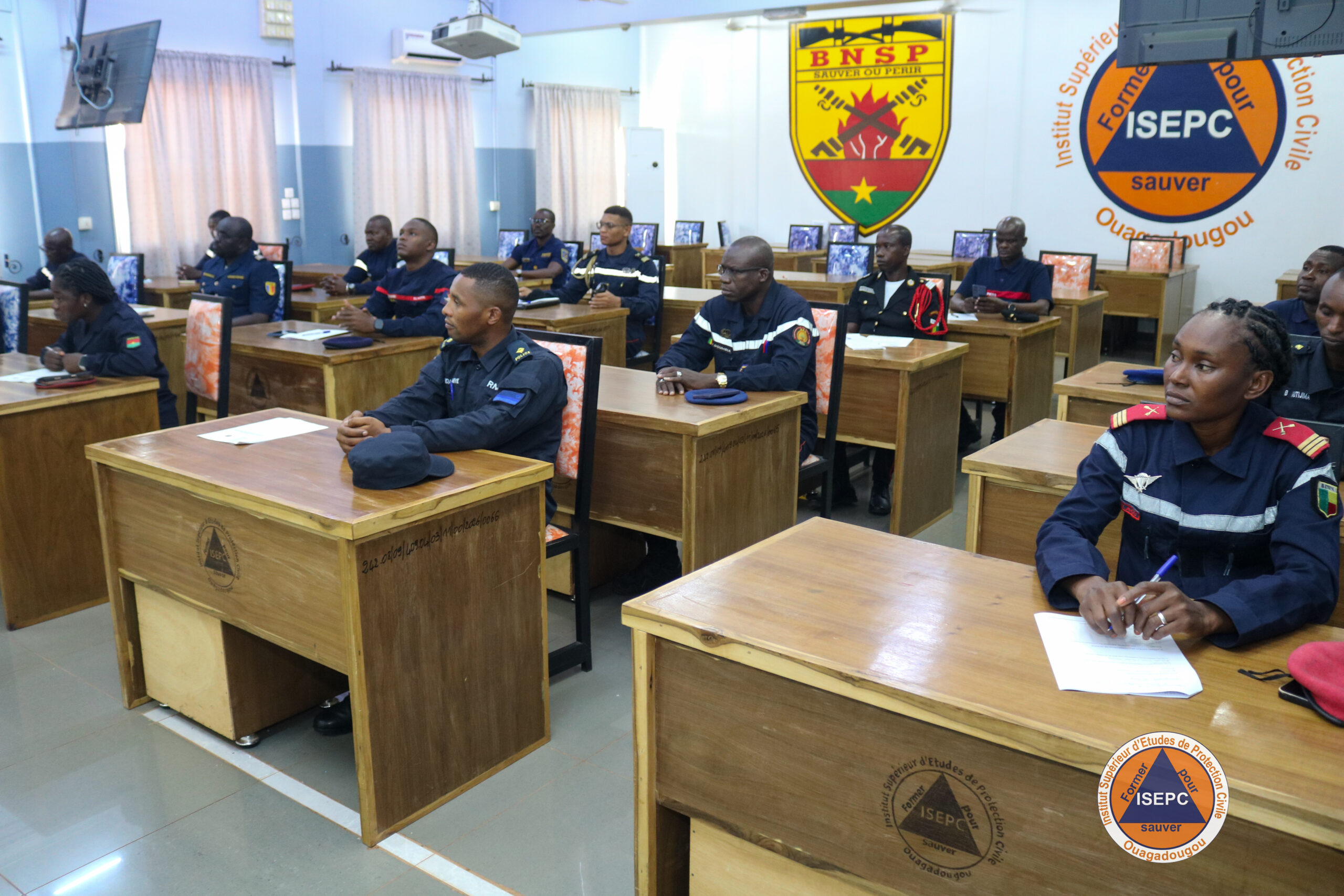
On Friday, November 13, 2026, the Higher Institute for Civil Protection Studies (ISEPC) concluded its 2026 Fire Service Unit Commander Course. Over the course of two weeks, twenty officers from twelve African countries strengthened their skills in command, personnel management, and the leadership of fire and rescue units.
Held in Ouagadougou from November 3 to 13, 2026, this international session is part of an ongoing effort to professionalize leadership within emergency services. It addresses the need for officials capable of providing effective command—both in the day-to-day management of their units and in the direction of emergency operations.
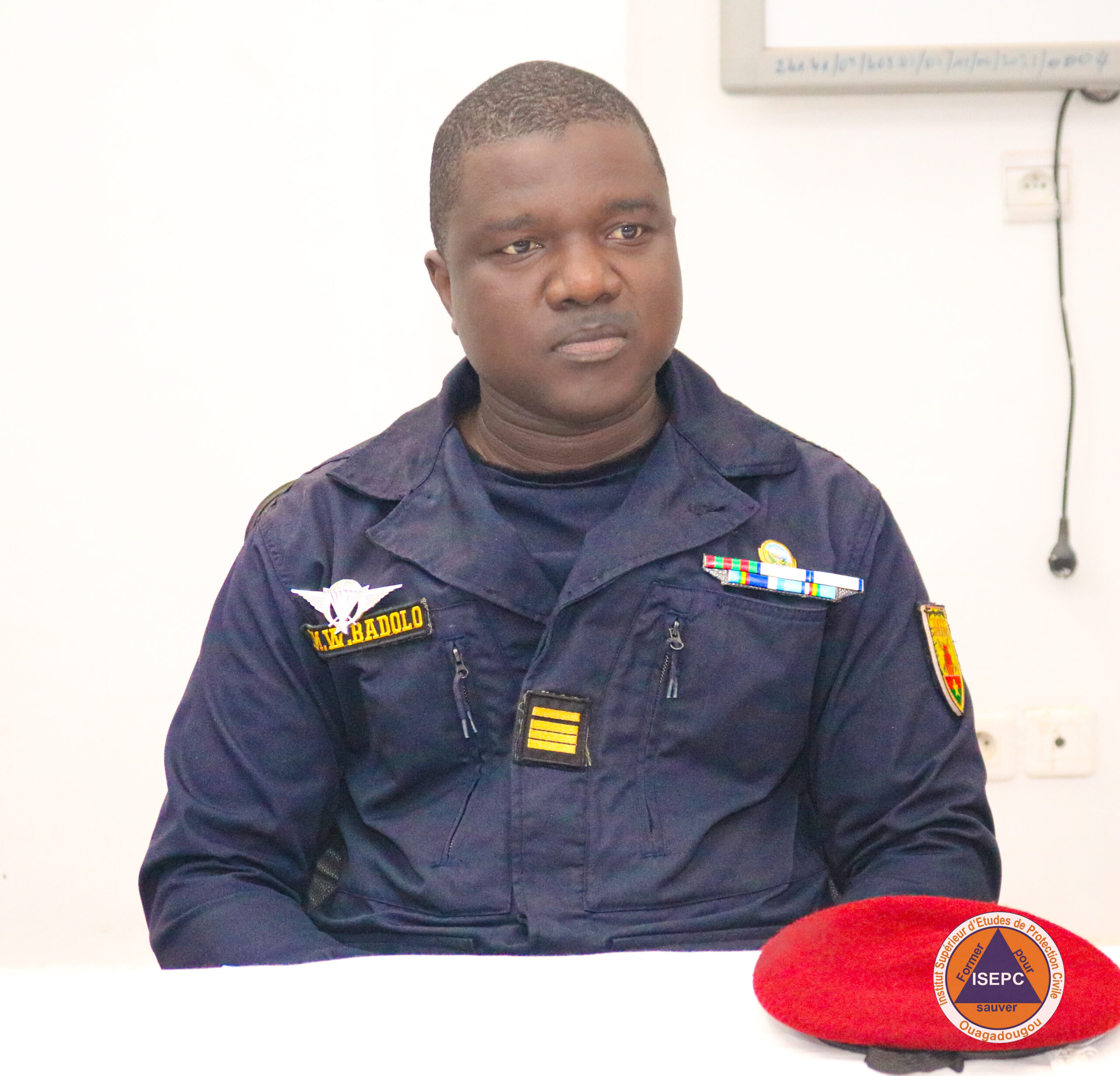
In total, twenty-one modules were delivered, covering the core responsibilities of a unit commander. The instruction focused, in particular, on the exercise of authority, personnel administration, the human factor, operational readiness, resource management, and the institutional environment.
Combining theoretical instruction, role-playing, group work, lectures, and the analysis of past experiences, the training program favored a participatory approach. Participants were encouraged to examine their own professional practices, analyze real-world scenarios, and develop responses tailored to the demands of command.
A satisfactory outcome and achievements to build upon in the field
Presiding over the closing ceremony on behalf of the Director General of the ISEPC, the Director of Instruction and Programs—who also served as the Course Director—gave a positive assessment of the session. He commended the participants for their commitment, as well as the high quality of the contributions made by the teaching staff and the various guest speakers.
He placed particular emphasis on the responsibility that now rests with the trained officers: that of translating the knowledge they have acquired into concrete improvements within their units. Beyond technical skills, he encouraged them to foster a style of command rooted in rigor, sound judgment, exemplary conduct, and the support of their personnel.
Strengthened African cooperation
This session brought together officers from Benin, Burkina Faso, Cameroon, Gabon, Guinea, Equatorial Guinea, Mali, Niger, the Democratic Republic of the Congo, Rwanda, Chad, and Togo.
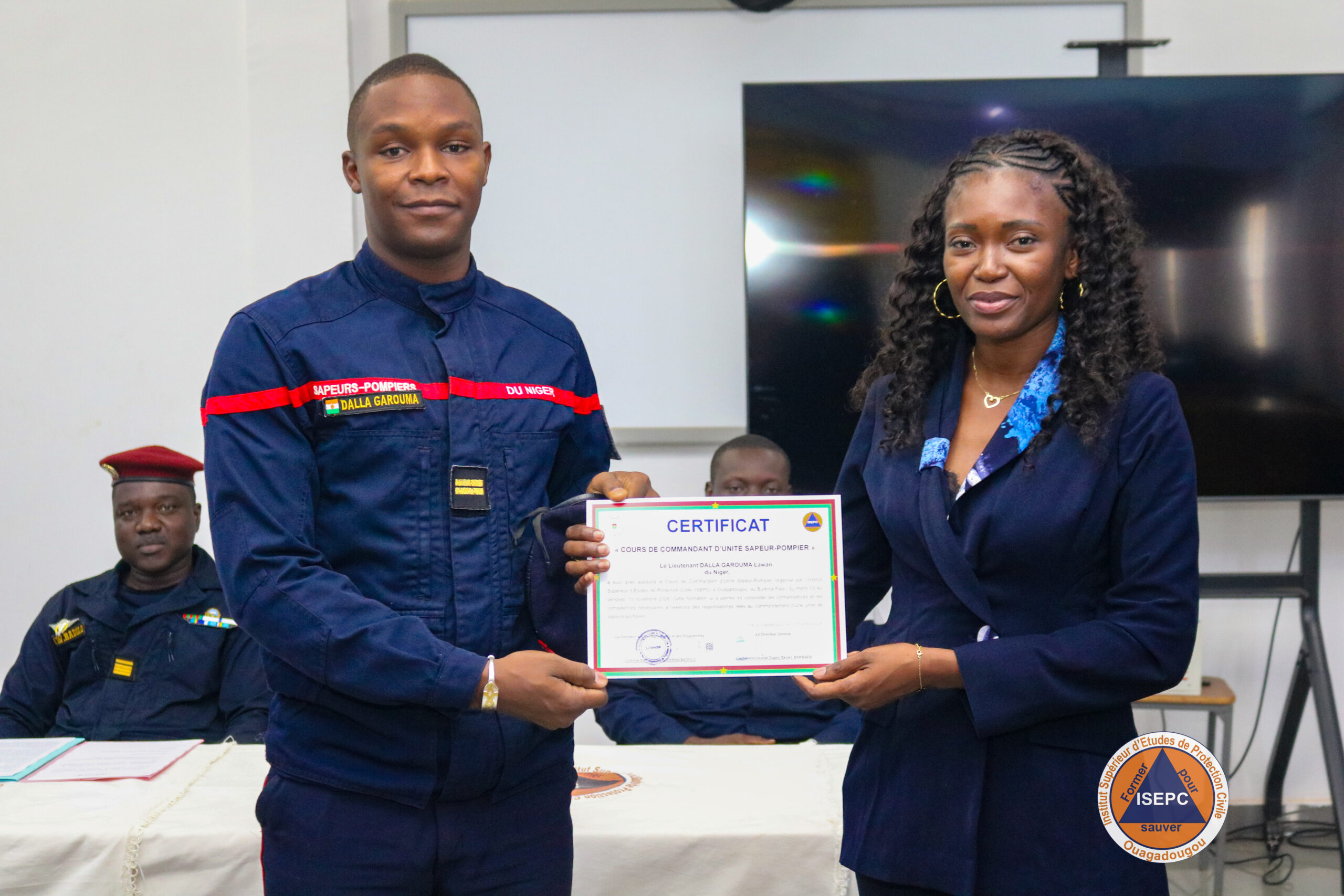
The diversity of nationalities represented proved to be an educational asset, fostering the sharing of experiences and working methods among professionals facing common operational challenges.
The ceremony also provided an opportunity to express the ISEPC’s gratitude to the authorities of the participating countries for their trust, as well as to the various partners and contributors who helped make this training program a success.
Beyond the knowledge gained, the professional and fraternal bonds forged during these two weeks represent an additional asset for the development of cooperation among African emergency services.
Through this new session, the ISEPC reaffirms its mission to contribute to the development of competent, responsible professionals capable of meeting the challenges of civil protection, for the benefit of public safety.
ISEPC, Former pour sauver.
DCRPP/ISEPC